Dedicated to your roadmap
Named developers or a focused team work consistently with your product.
 Qingdao
AI-Enhanced Dedicated Developers
Extend your team with long-term developers who learn your product and use practical AI assistance under human review.
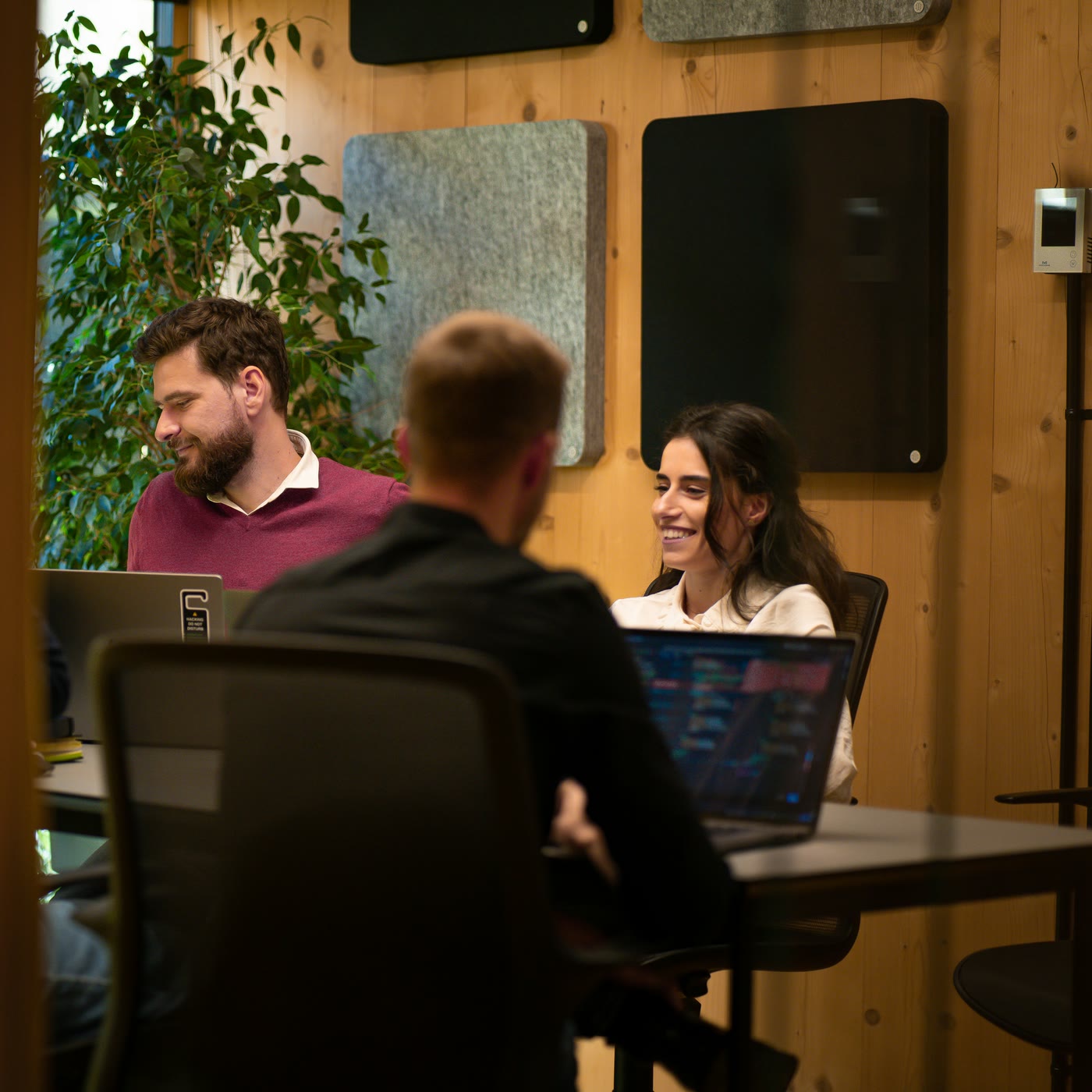
Named developers or a focused team work consistently with your product.
AI supports repeatable work while engineers own architecture, quality, and release decisions.
Product knowledge stays with the team across releases, maintenance, and roadmap changes.
Growing a software team is not only a capacity problem. New contributors need product context, clear ownership, review standards, and a delivery rhythm tied to business priorities.
Dedicated engineering works differently. The same people stay close to the product, understand why decisions were made, and improve as that knowledge accumulates.
Frequent rotation sends product knowledge out of the team and forces internal stakeholders to repeat the same decisions.
Capacity does not help when your team must translate every requirement, chase every update, and re-check basic alignment.
Delivery speed has limited value when code is difficult to maintain or technical decisions are poorly documented.
Your team keeps product direction and business context. Shinetech developers bring consistent engineering ownership, reviewed delivery, and visible progress.
Priorities, users, business context, and success measures.
Dedicated developers, quality discipline, and transparent delivery.
You get a working relationship designed around continuity, delivery discipline, and responsible AI assistance.
A named developer or focused team works consistently with your roadmap, codebase, and product stakeholders.
AI supports selected research, drafting, testing, documentation, and diagnostic tasks. Engineers review every output.
Adjust roles and capacity as the roadmap, workload, or technical scope changes.
Stable developers retain knowledge of users, workflows, integrations, constraints, and past decisions.
Peer review, testing discipline, maintainability checks, and release checkpoints protect delivery quality.
Planned overlap and clear asynchronous handoffs keep decisions moving without unrealistic availability claims.
We use AI to reduce repeatable effort and surface useful context. It does not approve code, own architecture, or make release decisions.
Engineers validate intent, quality, security, and maintainability.
AI tools follow the agreed project environment and policies.
Project information is shared only within approved boundaries.
AI assistance does not bypass established engineering controls.
This model works best when software will keep evolving and the people building it need to understand more than the current ticket.
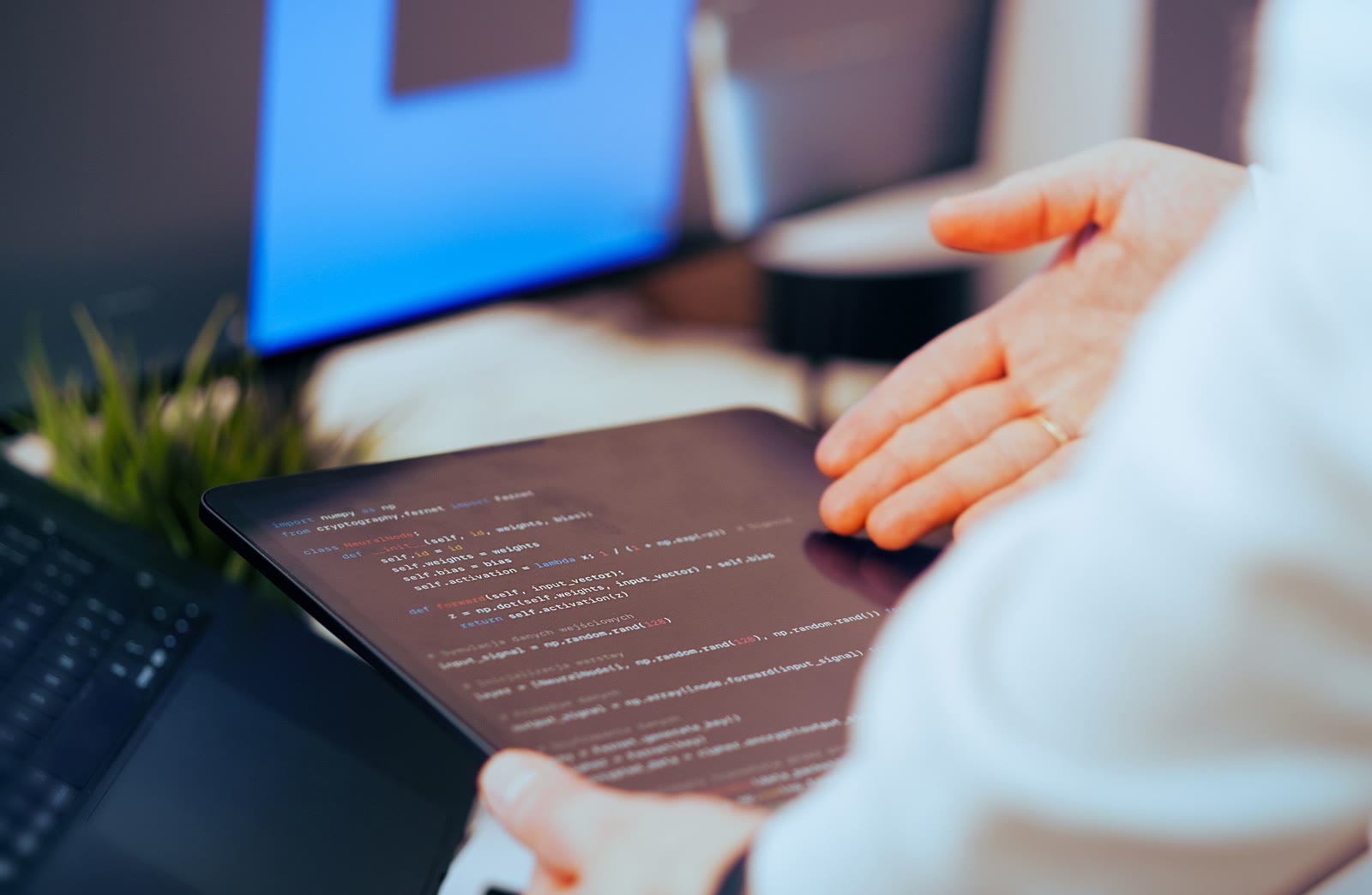
Your roadmap is moving faster than internal hiring, but new engineers still need to fit your existing team and process.
You want people who stay close to the product, retain context, and take increasing ownership over time.
Your software needs ongoing features, maintenance, integrations, technical improvement, or release support.
You need engineers who can understand legacy decisions and improve the system without unnecessary disruption.
You want useful AI assistance that follows your security requirements, review standards, and engineering controls.
The relationship becomes more effective as product knowledge, delivery habits, and technical context accumulate inside the team.
Review the team structure, roadmap, technology, delivery constraints, and business outcomes behind the work.
Identify developers whose experience, communication style, availability, and product interests fit the engagement.
Agree on communication, overlap hours, backlog ownership, review expectations, release routines, and escalation paths.
Learn the product, users, architecture, business rules, open risks, and decision history before taking broader ownership.
Move work through visible increments, pull requests, tests, demonstrations, stakeholder feedback, and release checkpoints.
Identify repeatable tasks where approved AI assistance can reduce effort without weakening review or security.
 Workforce Modernization PlatformA DDD, CQRS and event-driven rebuild of a coupled enterprise workforce portal into modules for authentication, jobs, CVs, external jobs and search.Read the case
 NDIS Fund Management GatewayA fund-management gateway for an Australian NDIS plan manager, connecting participants, providers, invoices and vendors in one controlled workflow.Read the case
Share your stack, roadmap, and collaboration rhythm. We will help shape the right dedicated developer profile.