Forward Deployed Engineering

Bring us the problem. We will shape the right solution with you.

When the business challenge is clear but the technology answer is not, experienced engineers work alongside your team to discover, prototype, validate, and deliver with confidence.

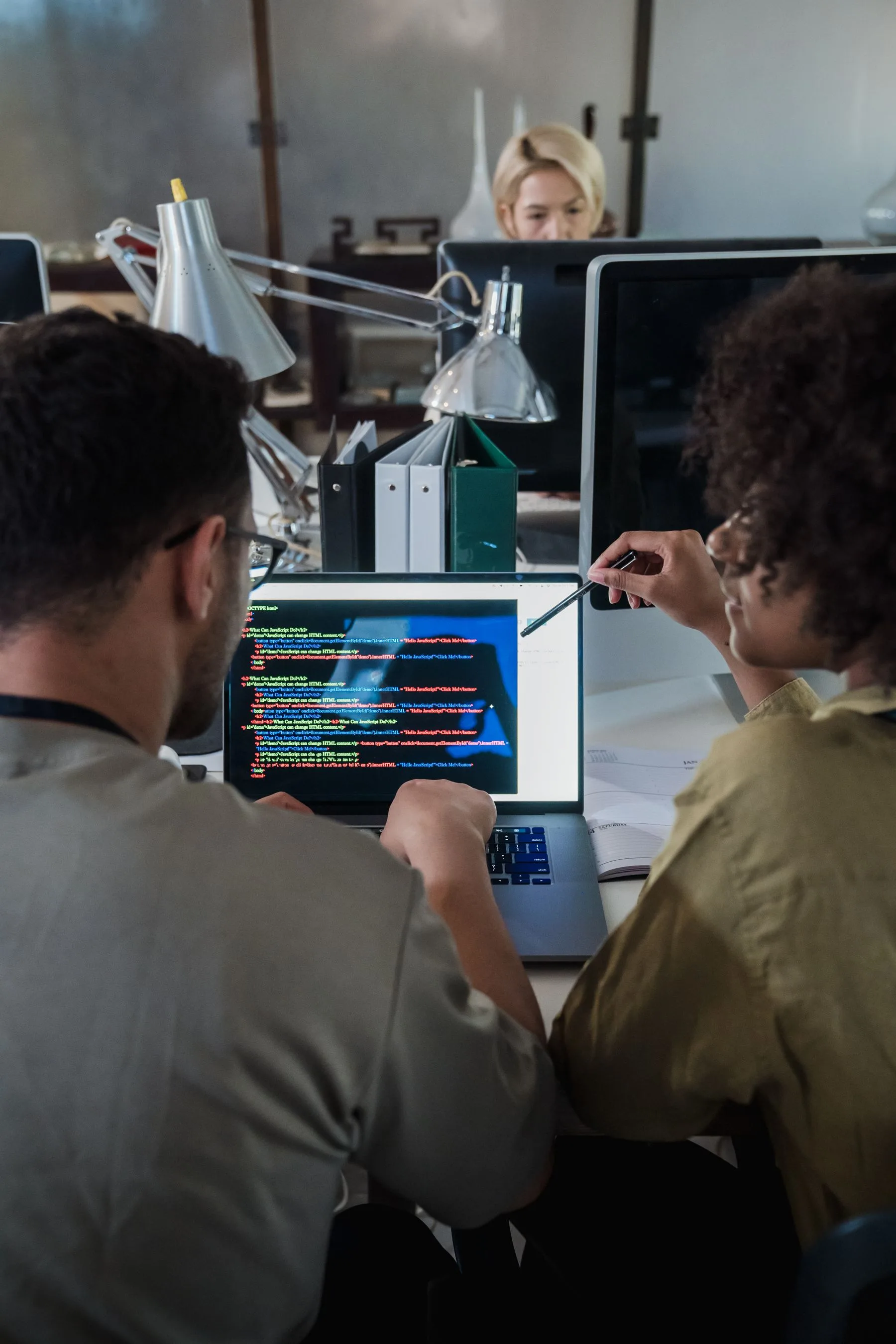
Software engineers reviewing code together during a collaborative discovery session
Discovery and delivery stay connected.The engineers learning the problem can test the direction and carry it into production.
DiscoverValidateDeliver
Business first

Start with operations

Understand the workflow and desired outcome before choosing technology.

Validate early

Test the uncertain parts

Use focused prototypes and real feedback before expanding investment.

One team

Discovery through delivery

The engineers learning the problem can continue into production work.

When the problem is clear

But the right technical answer is still uncertain.

These situations are not ready for a fixed build specification. They need structured discovery that connects operations, users, systems, and investment decisions.

01

Manual work is slowing the team

Where would automation create enough value to justify changing the process?

02

AI looks promising, but the use case is unclear

Which tasks benefit from AI—and which are better solved another way?

03

Existing systems do not work together

Should you integrate, extend, replace, or simplify the current environment first?

04

Spreadsheets no longer scale

What platform and workflow would support the business without adding unnecessary complexity?

05

Too many software options look plausible

Which direction best fits users, constraints, data, and the expected business outcome?

What forward deployed engineering means

Experienced engineers work beside the business before proposing the build.

The objective is not a longer requirements phase. It is faster learning: understand the real workflow, identify the uncertain decisions, test them, and invest further only when the direction is supported by evidence.

01

Understand operations

Observe how work moves between people, systems, decisions, and exceptions.

02

Map bottlenecks

Identify the delays, duplication, missing information, and fragile handoffs that create friction.

03

Identify opportunities

Find where software, automation, integration, process change, or AI could create practical value.

04

Evaluate options

Compare technical directions against business impact, risk, cost, data, and operational fit.

05

Validate prototypes

Test the assumptions that matter with focused prototypes and feedback from real users.

06

Deliver with confidence

Turn the proven direction into production software with the same engineering context.

Discovery to delivery

Reduce uncertainty in visible stages.

Every stage creates an artifact or working result that supports the next decision. The process can stop, redirect, or continue into production based on what is learned.

  1. 01

    Discover

    Business workflow, people, systems, constraints, and success measures.

    Visible outputOpportunity map
  2. 02

    Frame

    The priority problem, critical assumptions, and viable solution directions.

    Visible outputDecision brief
  3. 03

    Prototype

    The smallest useful test of workflow, integration, data, or user experience.

    Visible outputWorking prototype
  4. 04

    Validate

    Evidence from users, technical feasibility, and business value before scaling.

    Visible outputValidated direction
  5. 05

    Deliver

    Production engineering, testing, release, and continuous improvement.

    Visible outputOperational solution

When this model fits

Use discovery where the cost of choosing too early is high.

Forward deployed engineering is suited to valuable business opportunities that still contain meaningful product, workflow, data, integration, or technology uncertainty.

01

Business process improvement

Manual steps, email chains, and spreadsheet-based workflows are no longer reliable enough.

02

Responsible AI exploration

You want to understand where AI adds value without forcing it into every workflow.

03

Legacy system decisions

The current platform creates friction, but the right mix of integration, extension, or replacement is unclear.

04

New digital initiatives

The opportunity is promising, but users, scope, architecture, or value still need to be tested.

What it may lead to

The outcome follows the business need—not a preferred technology.

Discovery may lead to a focused automation, a system integration, a prototype that should not continue, or a production software initiative. Recommending a smaller answer is a valid result.

  • Technology-neutralThe recommendation may be AI, integration, automation, custom software, or a simpler process change.
  • CollaborativeEngineers work directly with business stakeholders and users so decisions stay grounded in operations.
  • Evidence-ledPrototypes answer the expensive questions before a larger build begins.
  • ContinuousDiscovery knowledge stays with the team through design, engineering, release, and improvement.

Frequently asked questions

Start before every technical decision is known.

You bring the operational challenge and business context. We help make the important uncertainties visible and testable.

How is this different from custom software development?

Custom software development is a strong fit when the requirements and intended solution are already sufficiently defined. Forward Deployed Engineering is designed for a clear business challenge whose best technical direction still needs to be discovered and validated.

Is this an AI consulting service?

No. AI may be one option, but it is not the default answer. We compare it with automation, integration, software design, and process changes based on the real business outcome.

Do we need technical requirements before starting?

No. You can begin with an operational problem, a desired outcome, or a workflow that no longer works well. The engagement turns that context into testable options and an actionable direction.

Can the same team continue into full development?

Yes. Keeping the discovery engineers involved reduces context loss and allows validated decisions to move into architecture, production engineering, testing, deployment, and support.

What does a successful discovery produce?

The output depends on the problem, but typically includes a shared opportunity map, decision criteria, tested prototype, technical findings, delivery recommendation, and next-step plan.

Bring engineering closer to business outcomes.

Start with a focused discovery session to map workflows, validate options, and lower build risk.